Transforming port terminal operations into a data-driven management experience
Our Customers
Ultracargo is Brazil's largest bulk liquids storage company, primarily operating in the storage of chemicals, petrochemicals, biofuel, and vegetable oil.
Constraints
Not having time to use the legacy system to understand better the user journey as it is.
Their Problems
Ultracargo has a legacy system that allows you to interrogate data, visualize charts, schedule product loading and unloading, generate invoices, and download reports from the port terminal. Their internal users and external customers are involved in managing the port terminals. They mentioned how difficult it was to generate reports, schedule product loading and unloading, and the lack of visualization over time of the port terminal in a user interview.
My Role
I facilitated the Design Sprint and worked as UI/ UX designer consultant.
Timeline
6 week in 2021
Client
Ultracargo
Roadmap
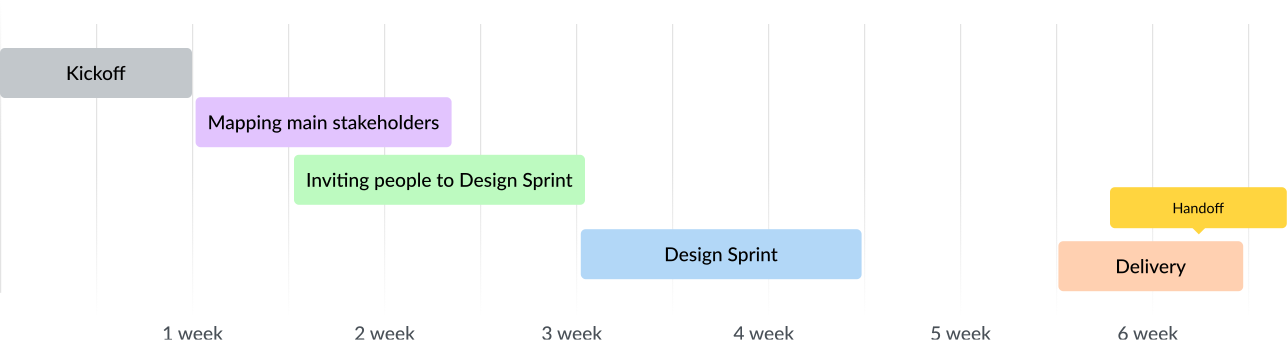
Kickoff Meeting
As a UX Designer consultant, before starting the Design Sprint, I had a one-hour meeting with the client to quickly address some points and understand the project's requirements using the 5W1H methodology
Why the client wants to do the Web Portal?
As a UX Designer consultant, before starting the Design Sprint, I had a one-hour meeting with the client to quickly address some points and understand the project's requirements using the 5W1H methodology
Who are the users?
The clarity of this question will become evident during immersion. However, according to brief discussions with Ultracargo's customers, both Ultracargo's internal users and its external customers will be using the product. We will identify the pain points and potential solutions for these users through the creation of personas.
Where and when they will use the solution?
Ultracargo's customers will access the system when they need to schedule a road operation at one of the terminals or consult information (historical or real-time) related to the storage and operation of their products.
What are the solution alternatives?
Create a responsive web system, the features will be raised during the co-creation immersion.
Challenges
Design an interface allowing users to customize reports according to their preferences.
Design navigation flows that minimize complexity and facilitate the location of information.
Exporting reports in PDF
Determine how the platform will present relevant information to aid in informed decision-making.
Provide visualization over time
Improve brand feedback
Current design is confusing
Ability to combine reports
High Level Goals
Improve how quick users can obtain a report and export it in different formats
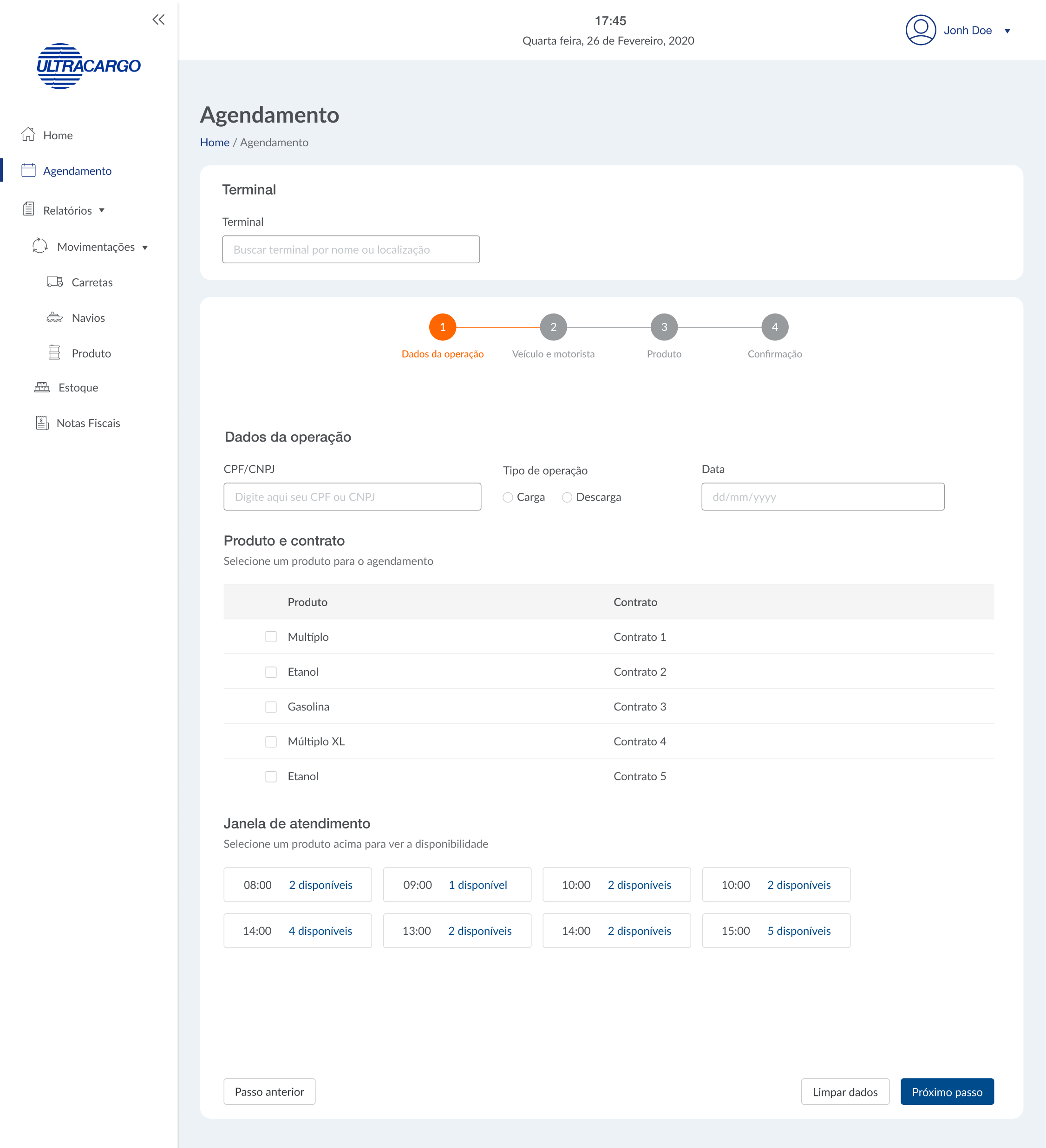
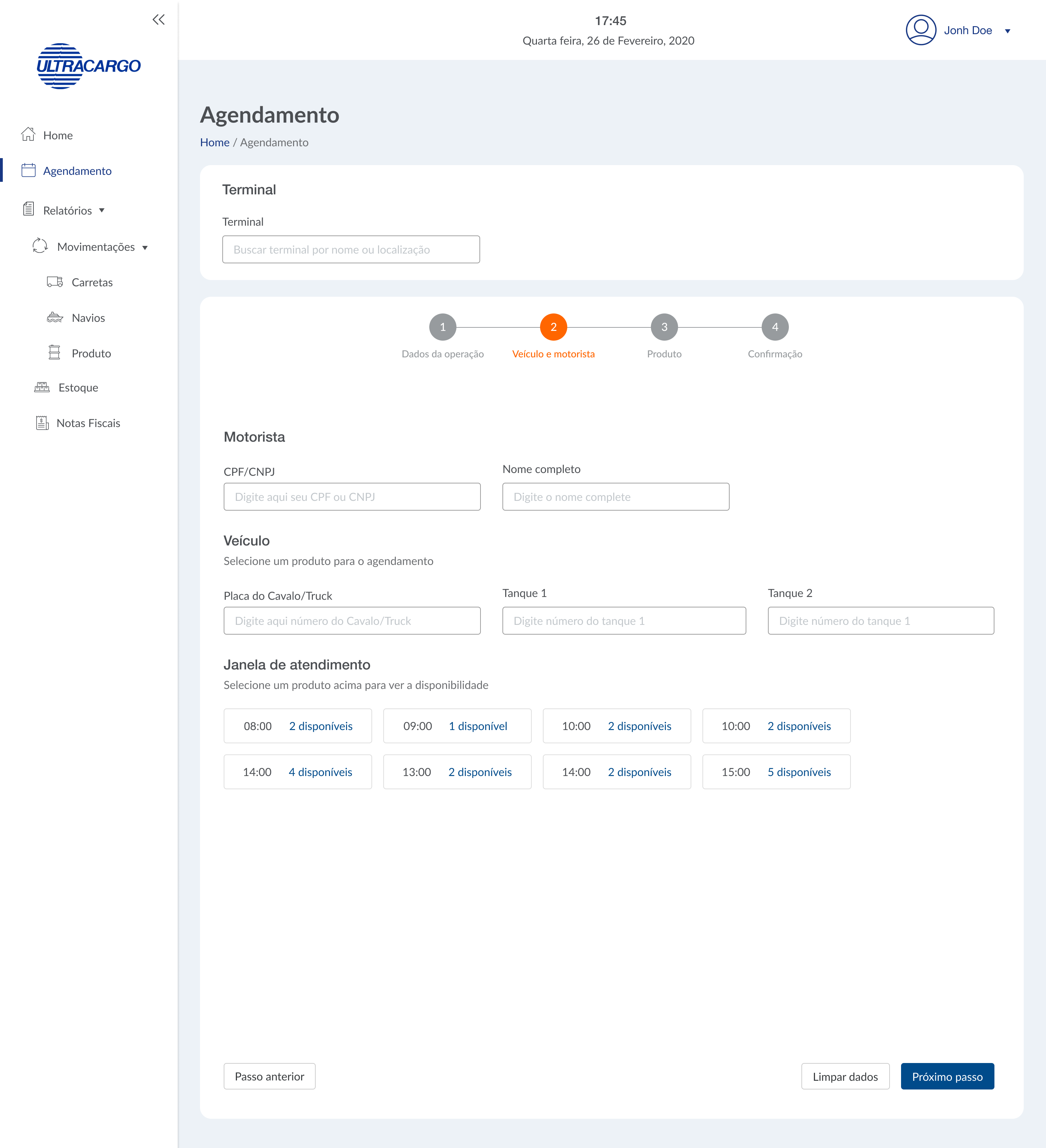
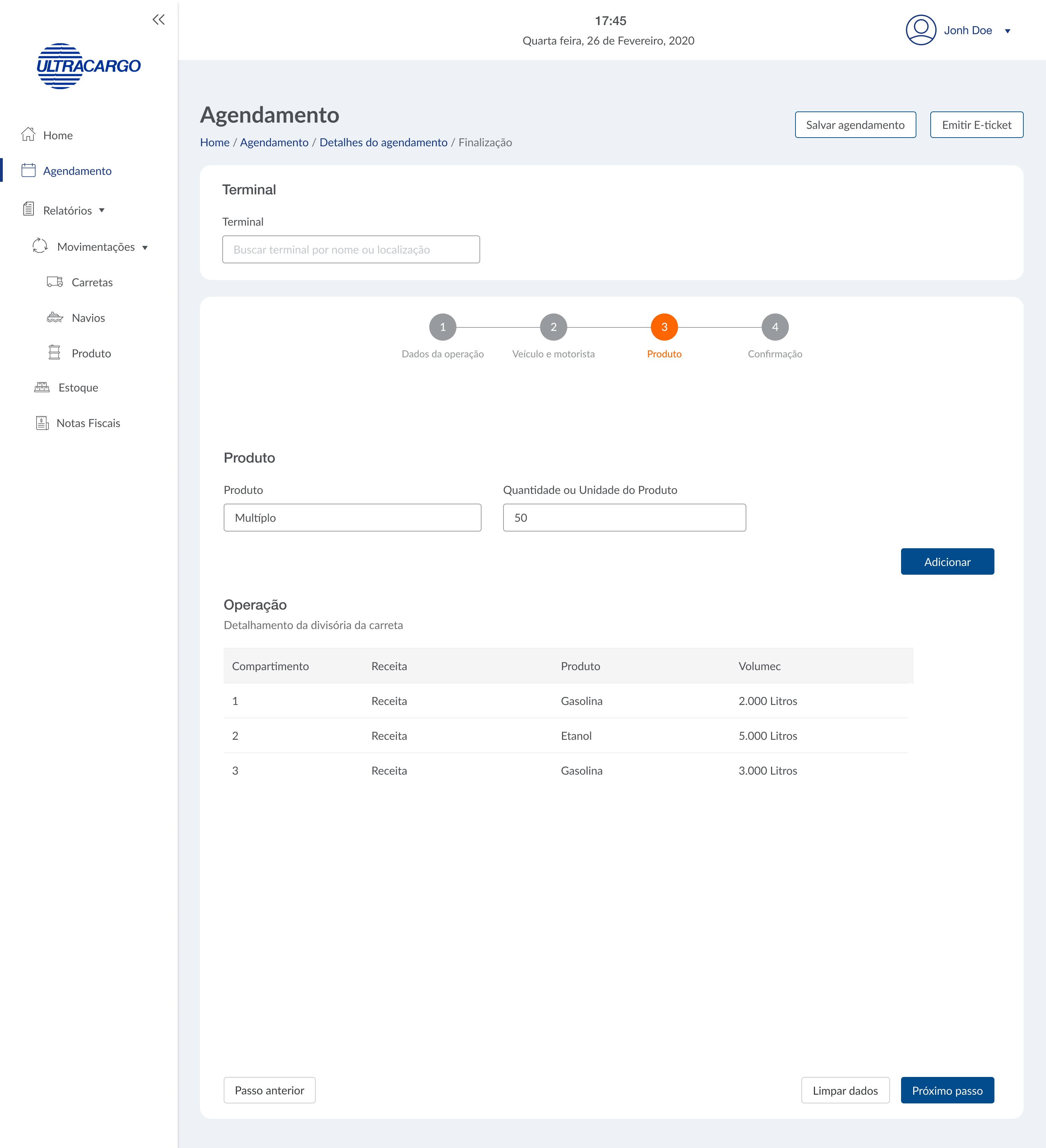
Optimize the efficiency of scheduling product loading and unloading processes at the port
Research and collaboration to understand the context
The initial approach aimed to comprehend the challenges faced by both internal users and external customers, as well as their perceptions of the legacy system.
The decision to use the CSD matrix stemmed from the lack of well-defined information and numerous uncertainties surrounding the perceptions of internal users and external customers regarding the current solution. This approach also facilitates aligning everyone's understanding of the problem and provides a concise overview of the unstructured information, which can subsequently be validated through other research methods.
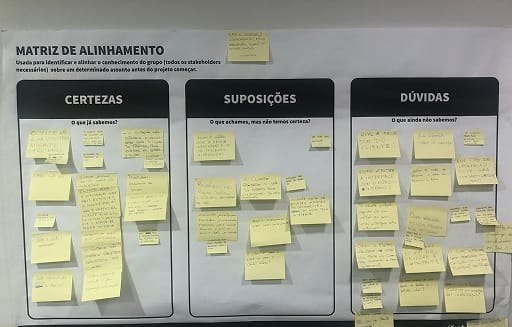
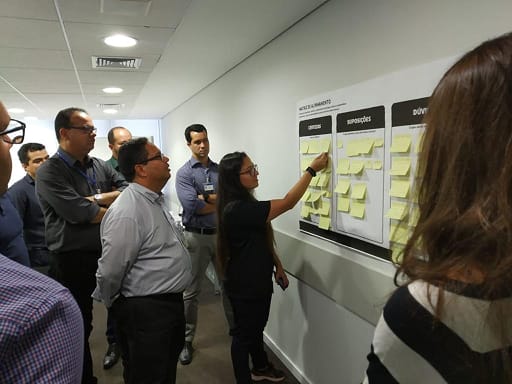
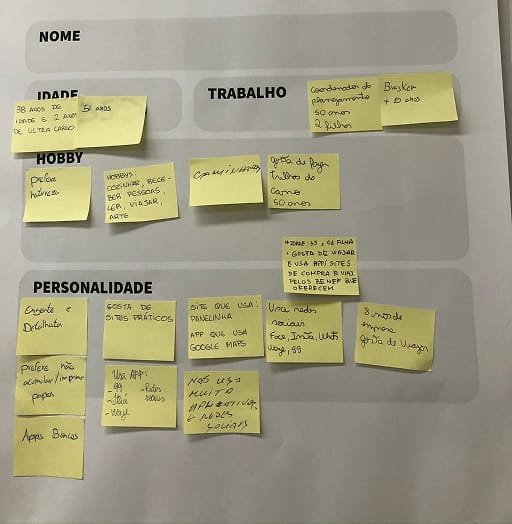
Discovering who is using the legacy system and how they are using it
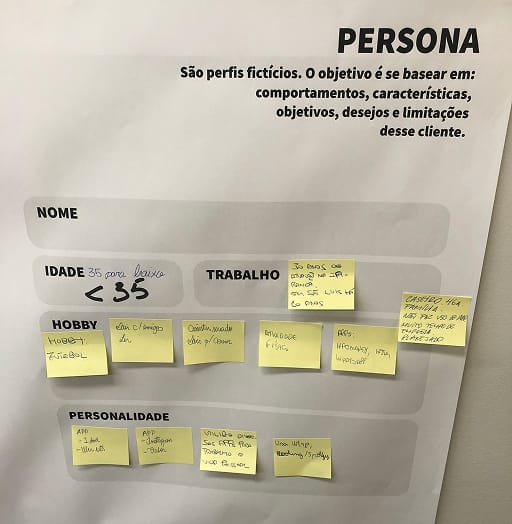
We created personas by synthesizing data collected from qualitative research, the CSD Matrix, and Desk Research. This allowed us to establish a solid foundation for understanding the motivations of both internal users and external customers.
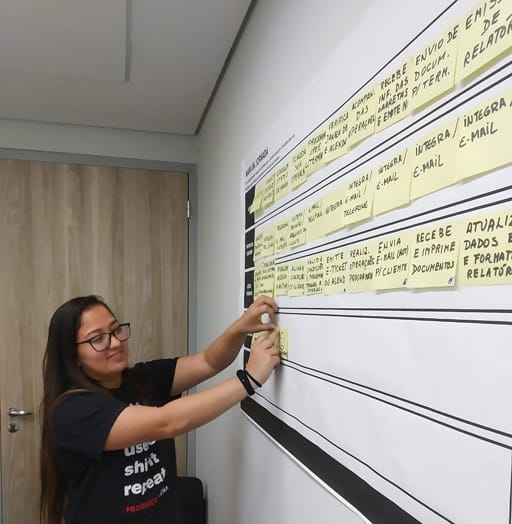
We also utilized all the data from the quality research to create a journey map as it is, in order to understand the pain points and identify areas for improvement. Simultaneously, we developed a new version, the 'Journey Map to Be,' incorporating the insights gained from our analysis.
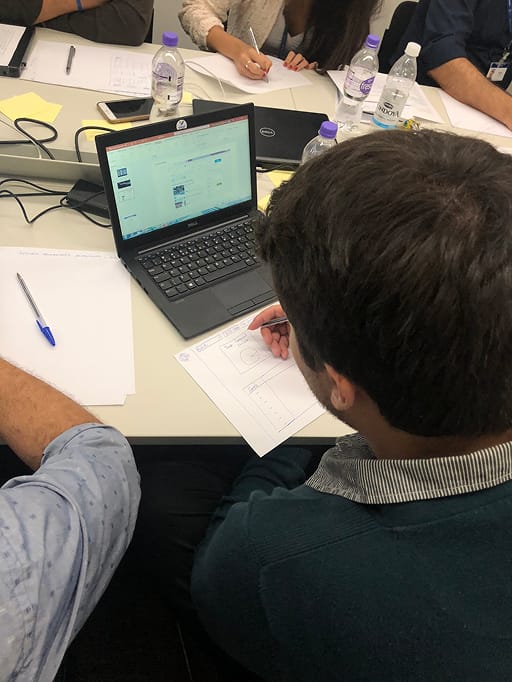
Creating collaborative wireframes and notes
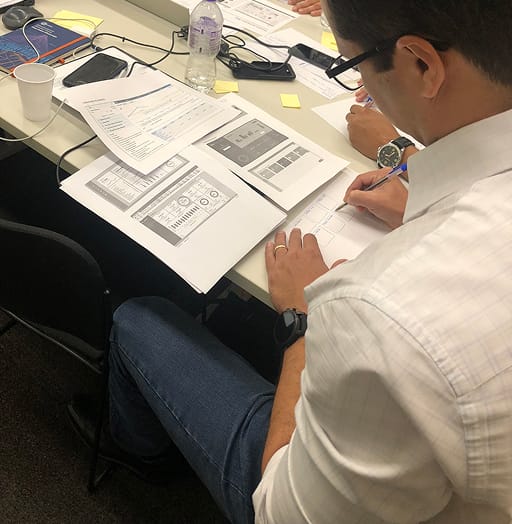
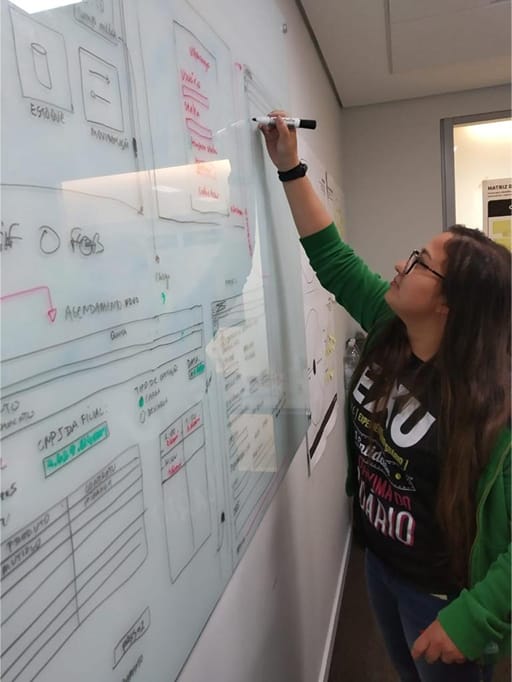
The wireframe phase, which outlines information, facilitates discussions with the team to determine what is logical or not before proceeding with the development of the final application, thereby enhancing team efficiency.
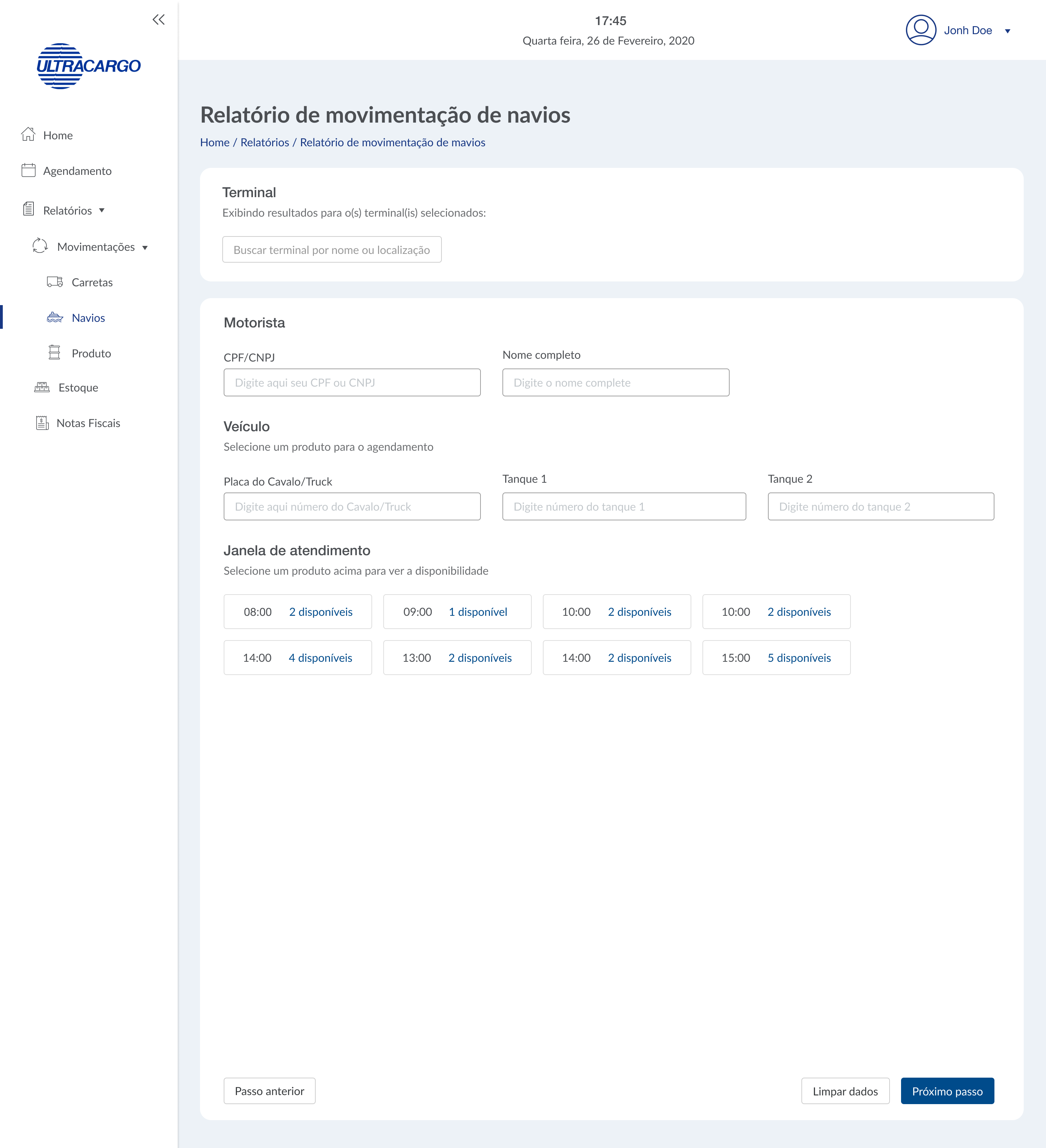
UI Design
The wireframe phase, which outlines information, facilitates discussions with the team to determine what is logical or not before proceeding with the development of the final application, thereby enhancing team efficiency.
Takeaway
The initial problem statement was solved. However, as we delved deeper into the project, we uncovered additional problems and opportunities.
My primary takeaway from this project was the importance of understanding the user context to meet their needs. For complex B2B systems like this one, there were times when it would be better to do a user shadowing to observe how users were currently using the system. Each insight gained could potentially become a new feature. However, as a designer, it was crucial to strike a balance between priorities and needs.
Otherwise, collaborating with different types of professionals could become quite chaotic.