Led the redesign as the sole Product Designer, contributing to a 226% increase in active users
Our Customers
Worldwide, more than 2.3 million people have a diagnosis of MS. In the United States a recently completed prevalence study, funded by the National MS Society, has estimated that nearly 1 million people over the age of 18 live with a diagnosis of MS.
Source:https://www.nationalmssociety.org/
Constraints
The project operated in a regulated health context with limited behavioral analytics, complex user needs, and high variability across workflows.
Design decisions had to balance usability, implementation feasibility, privacy, and operational scalability.
Their Problems
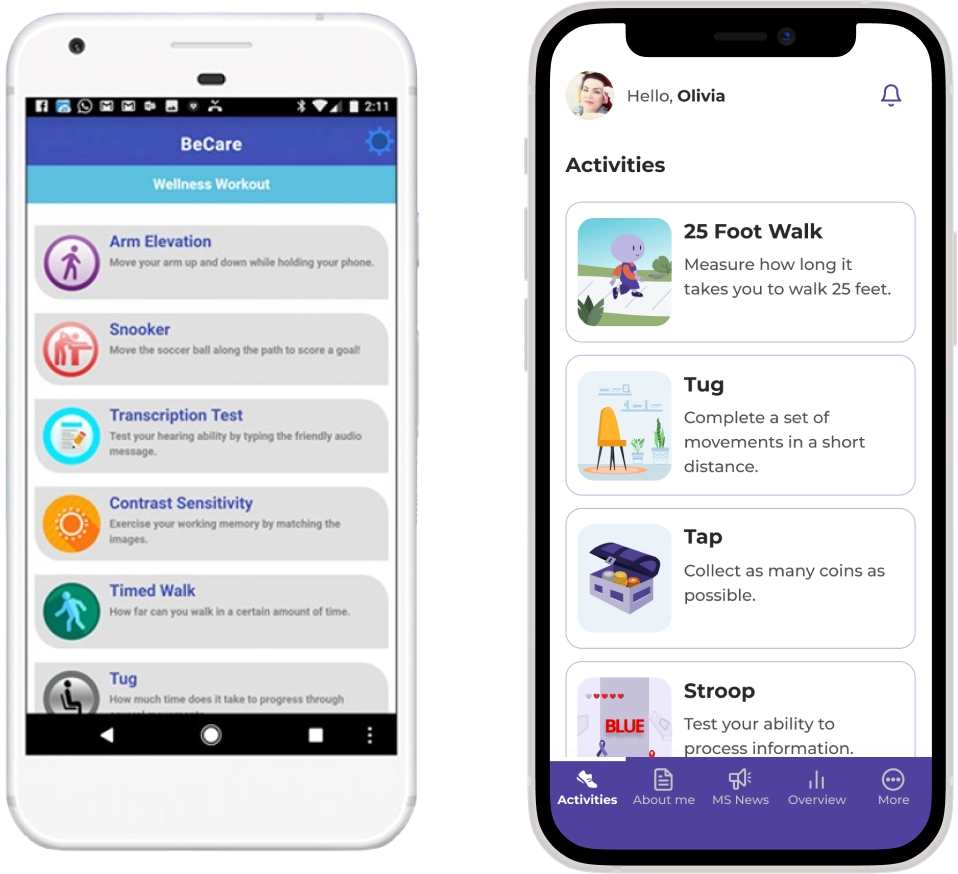
August 2017, BeCareLink launched the BeCare MS Link to address significant gaps in neurological care. The app struggled with usability problems, received poor reviews, and had a low user retention rate.
My Role
As a designer I was responsible for researcher, and UX/ UI designer.
Timeline
1 year
Client
BeCareLink
How did a reusable component system impact the business?
_su2dblstPlNlr1MyGt1lt.webp?format=raw)
Across the BeCare ecosystem, returning users grew from 1.9K to 6.2K year over year, representing 226.32% growth across the same January–August period.
_fS_cppdrTSKEIR4Mstg4x.webp?format=raw)
The reusable component system reduced repeated design and development work, helping the team launch BeCare Neuro and BeCare Camp Lejeune in 3 months.
Success definition and initial research
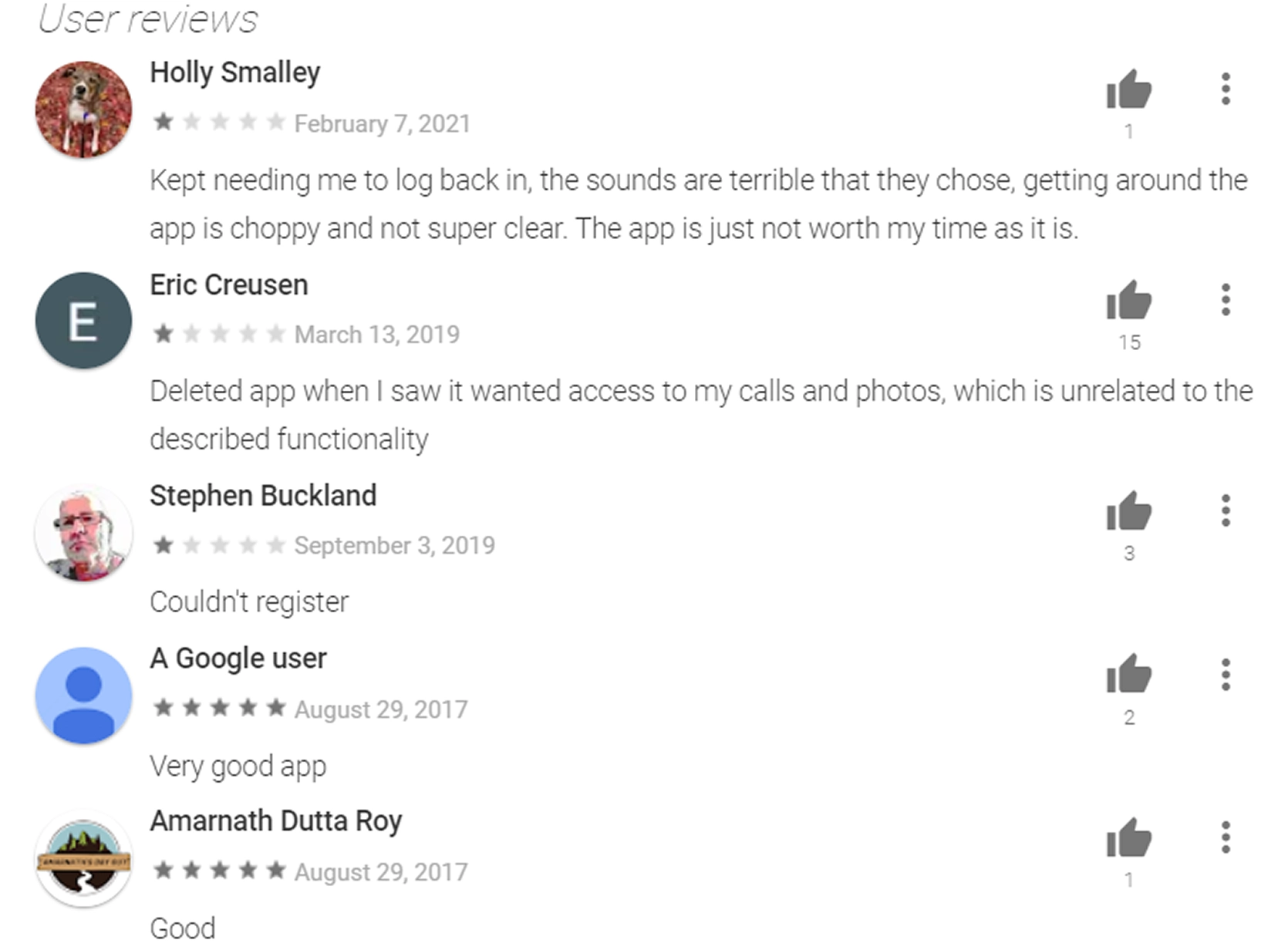
I aligned with the founder on product success and analyzed app store reviews to identify recurring user pain points. These insights helped define UX priorities and uncover opportunities to improve the overall experience.
App Store
_JBbz-N329-jQI73EaVneu.webp?format=raw)
_WzlJIiCMcZjt-kH_DloX6.webp?format=raw)
Play Store
_cK2pk8IWez3nUmsqexMO4.webp?format=raw)
_m9tiFpeP2gB-YKTXMrE34.webp?format=raw)
User Reviews
Diagnosing the current user journey
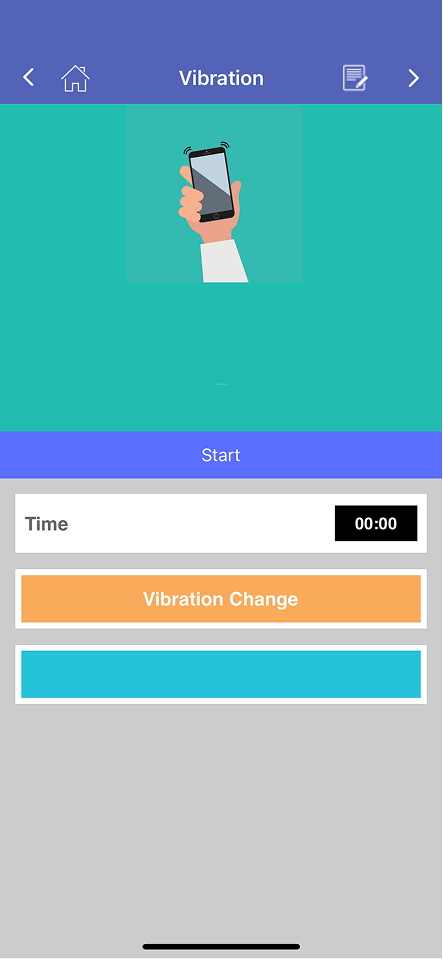
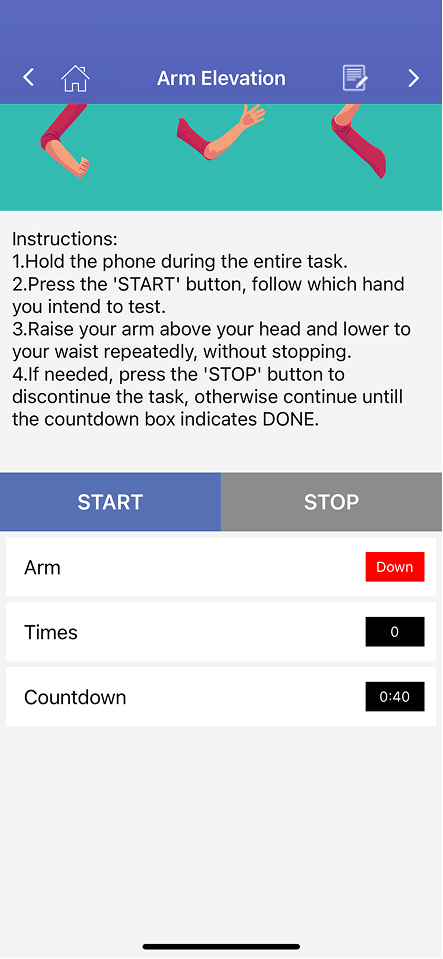
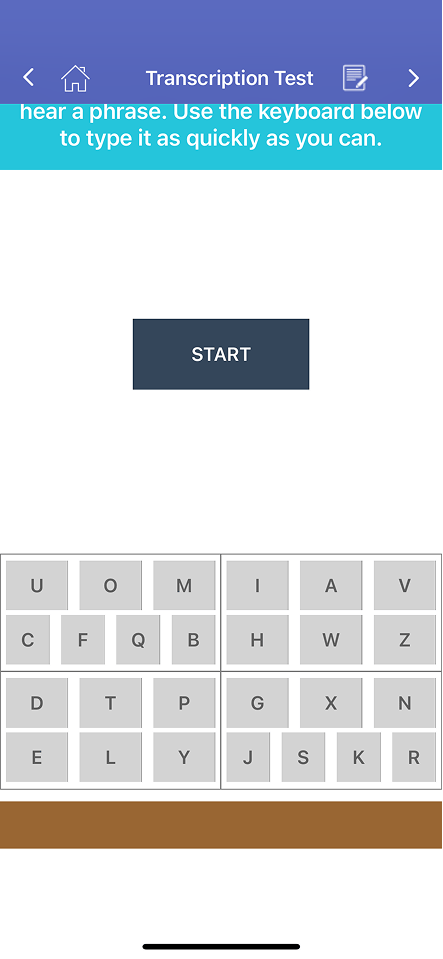
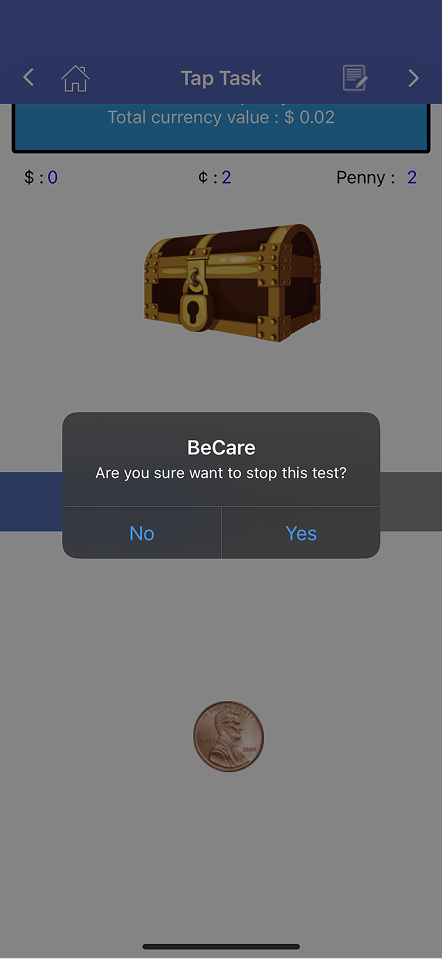
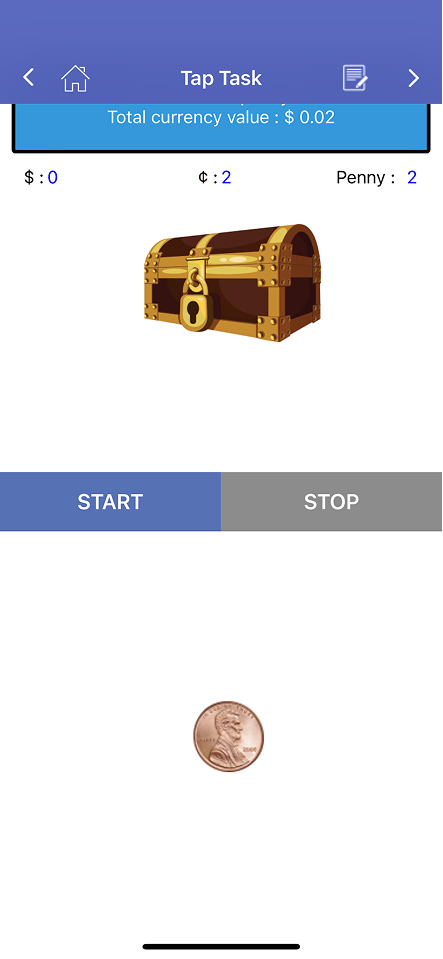
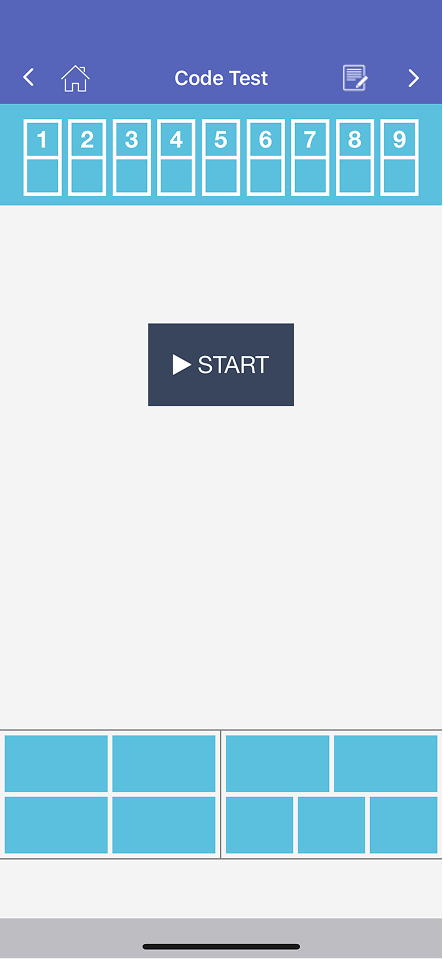
I combined user feedback analysis with product testing to uncover usability issues, confusing interactions, and unclear instructions. These findings created a stronger foundation for redesign decisions.
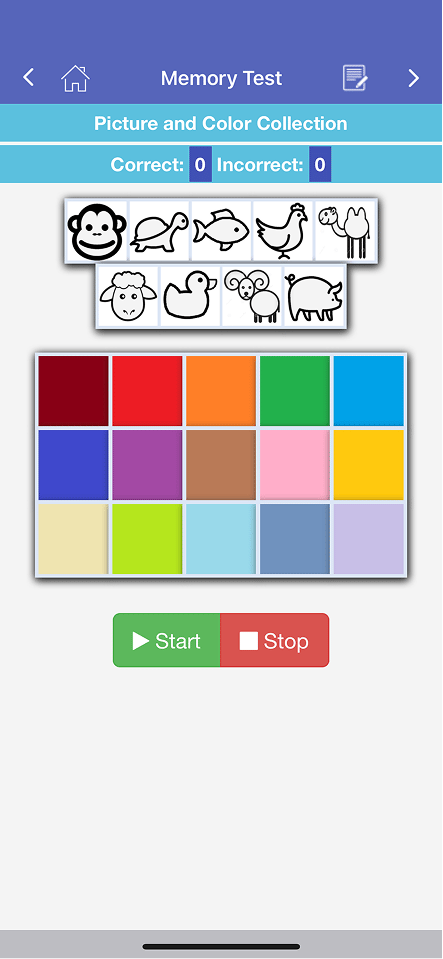
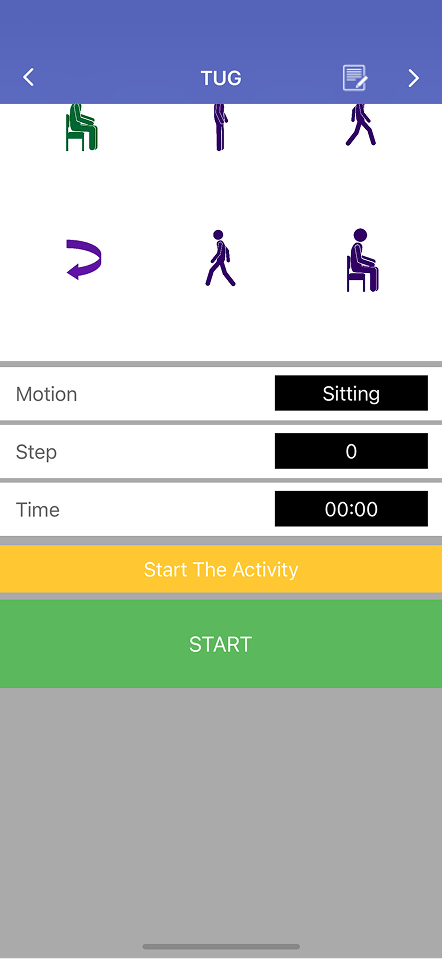
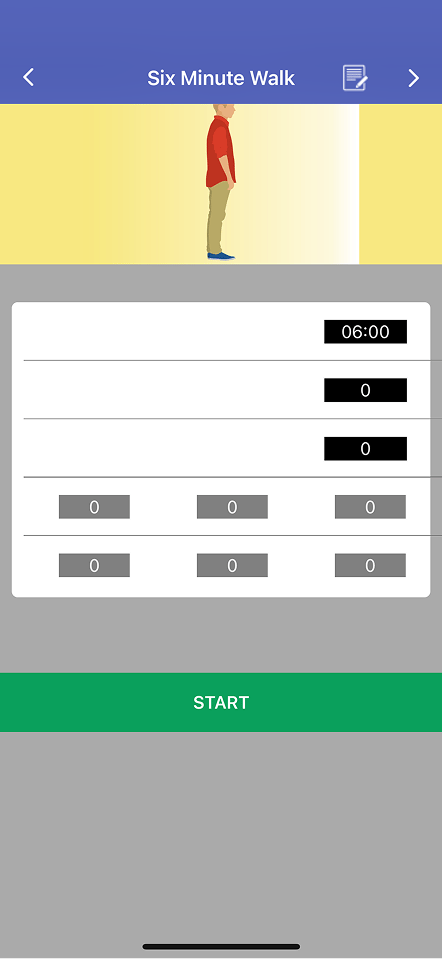
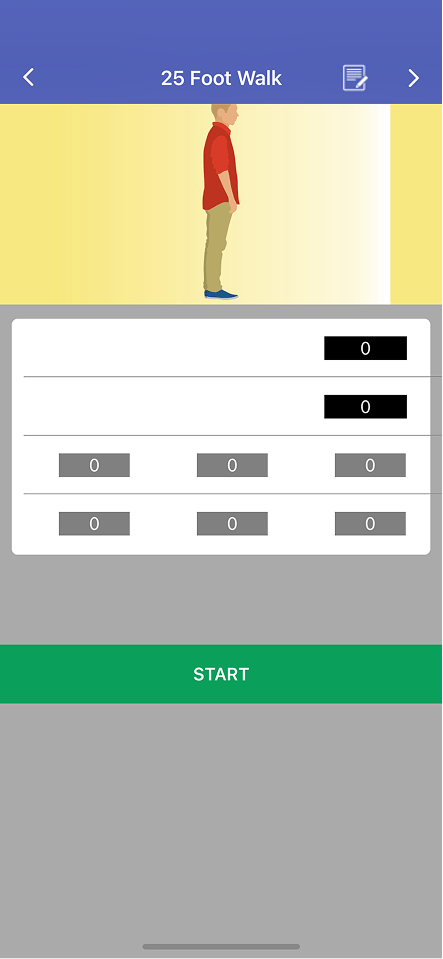
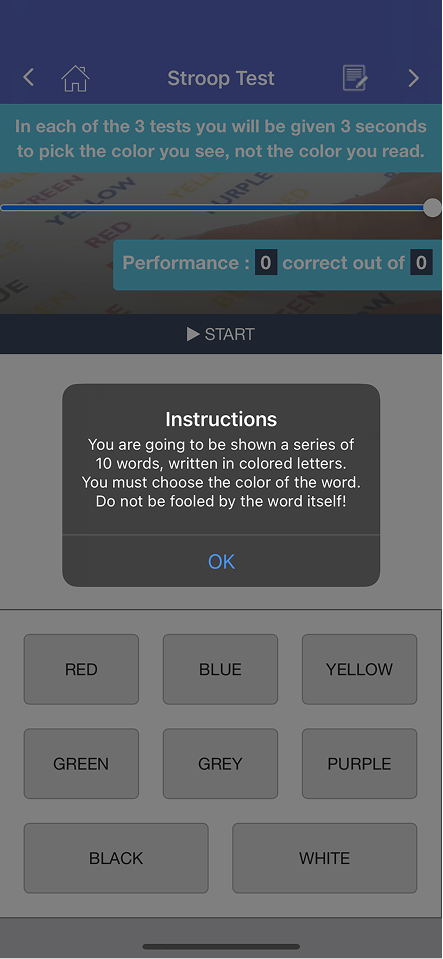
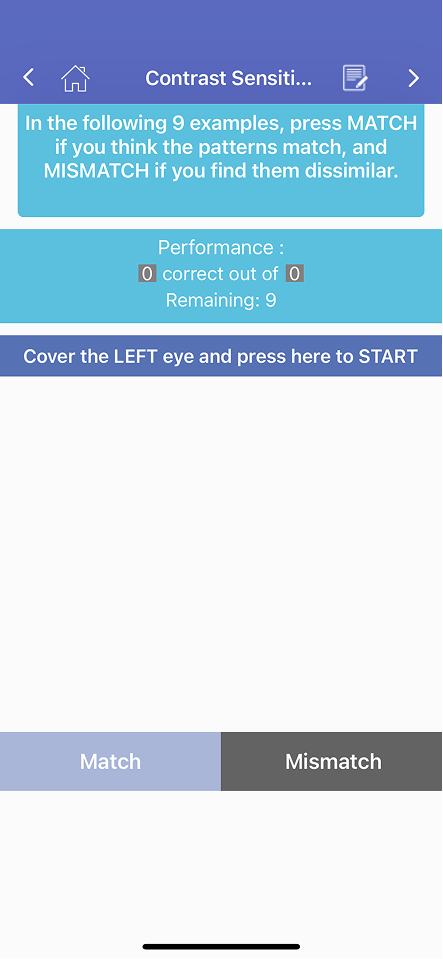
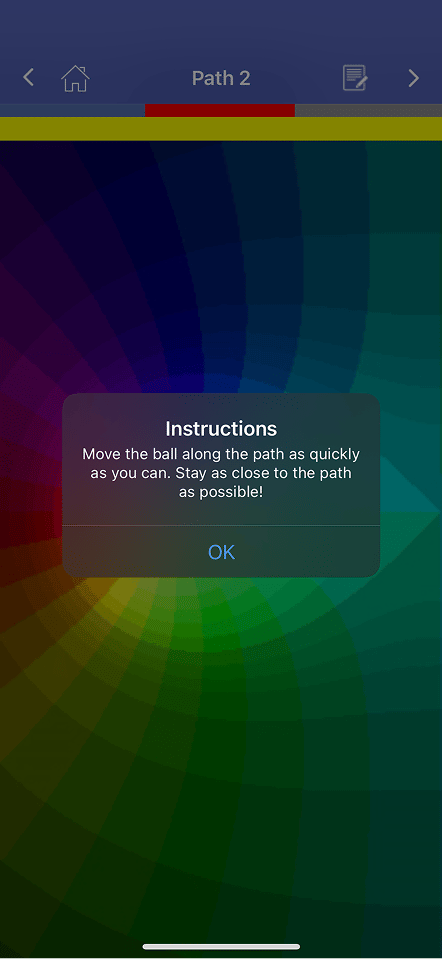
Research and collaboration to understand MS patients
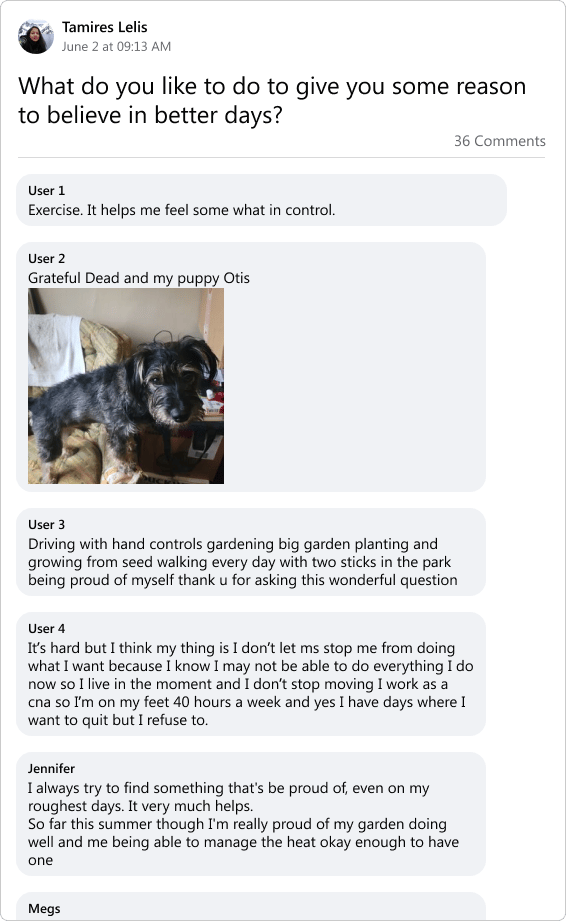
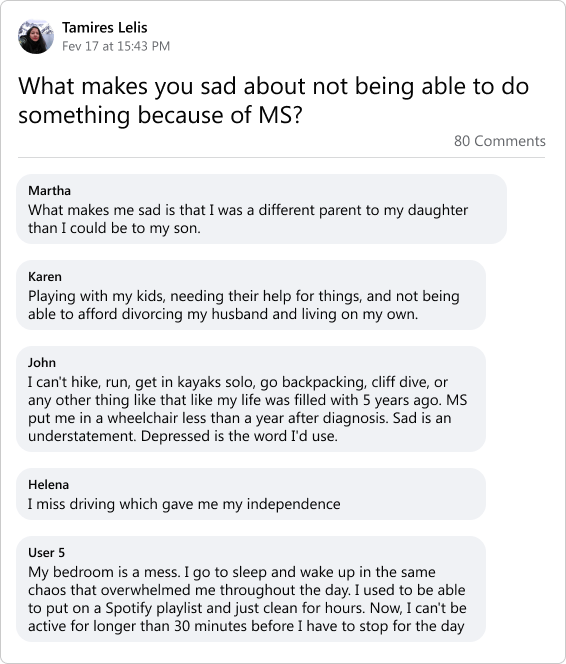
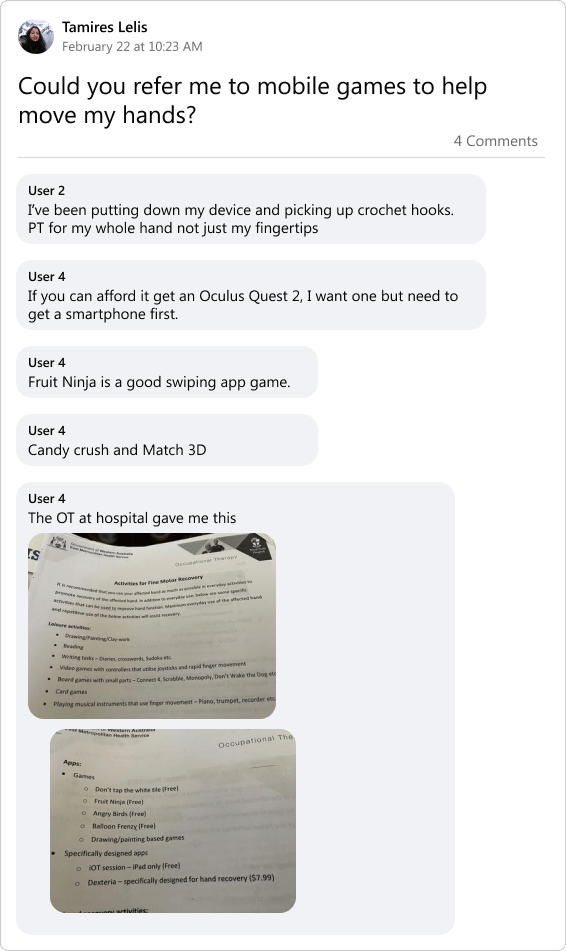
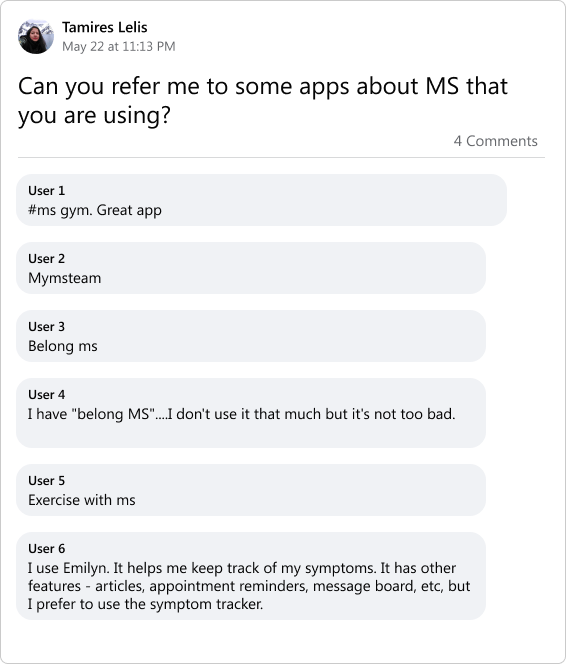
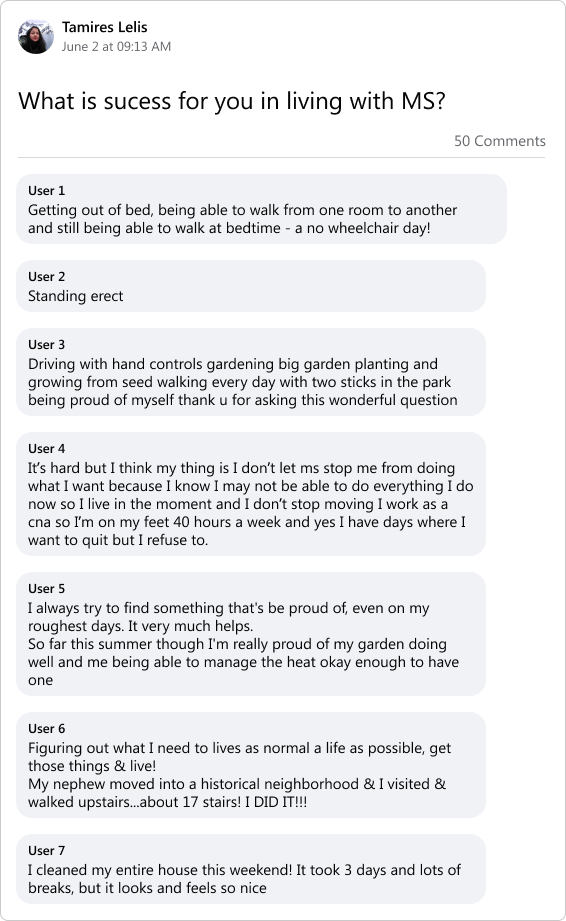
I conducted netnographic research across 10+ Facebook communities, representing a combined reach of approximately 252,000 members in North America, to better understand the needs of people living with Multiple Sclerosis.
By analyzing recurring discussions, frustrations, emotional needs, and digital tool usage, I identified patterns related to cognitive load, accessibility, trust, and clarity of instructions.
This research helped reduce product assumptions and informed the redesign strategy for a more accessible, supportive, and user-centered experience.
Product exploration
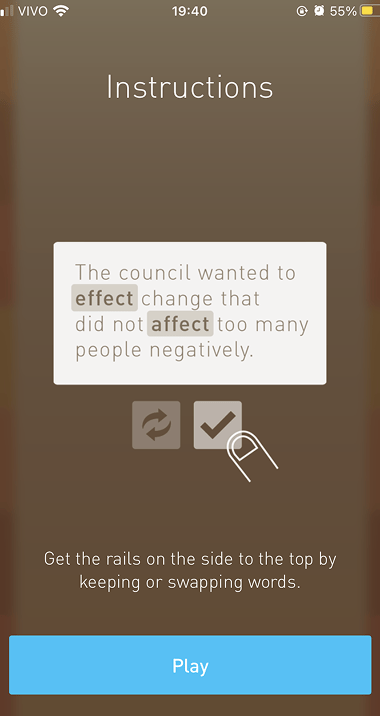
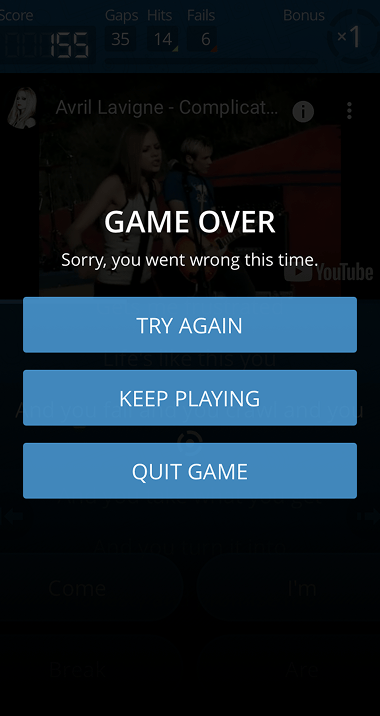
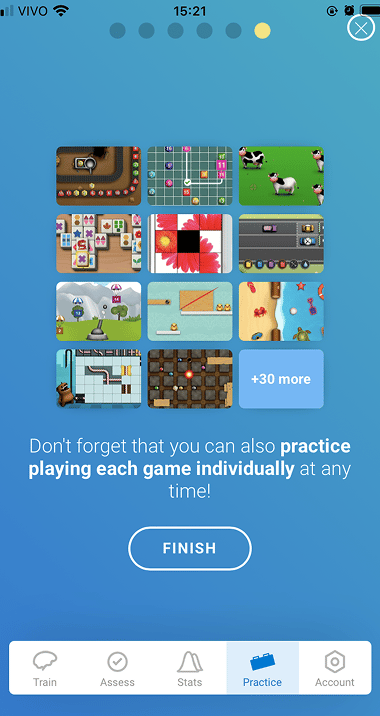
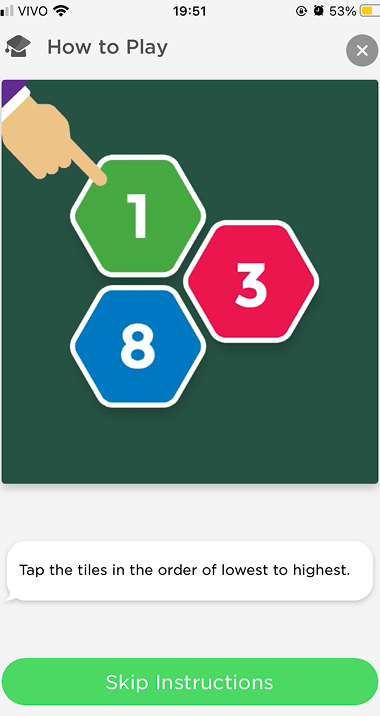
From the research I did on Facebook groups, I start to download those app and play around to experience and understand the user model mental.




Reducing cognitive load with a global component
Each activity was requiring users to rethink how to start.
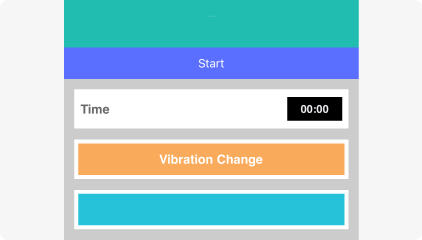
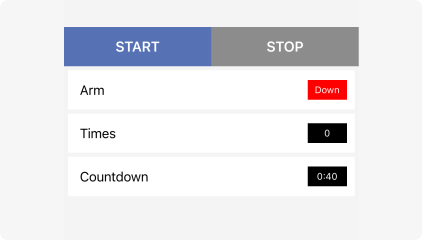
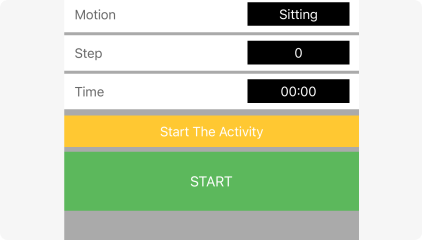
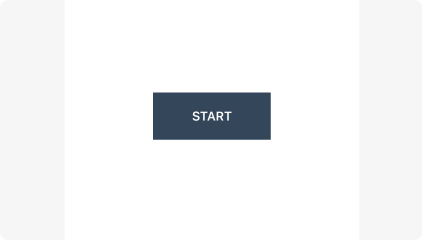
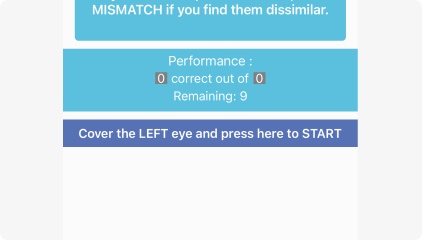
the previous design
I explored the pattern through quick sketches before moving into high-fidelity design.
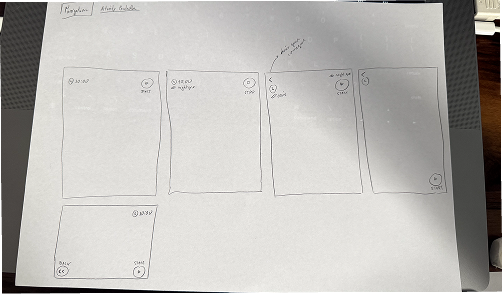
I standardized inconsistent activity flows by designing a reusable Activity Controller. This reduced cognitive effort, improved predictability, and created a scalable interaction pattern across the product.
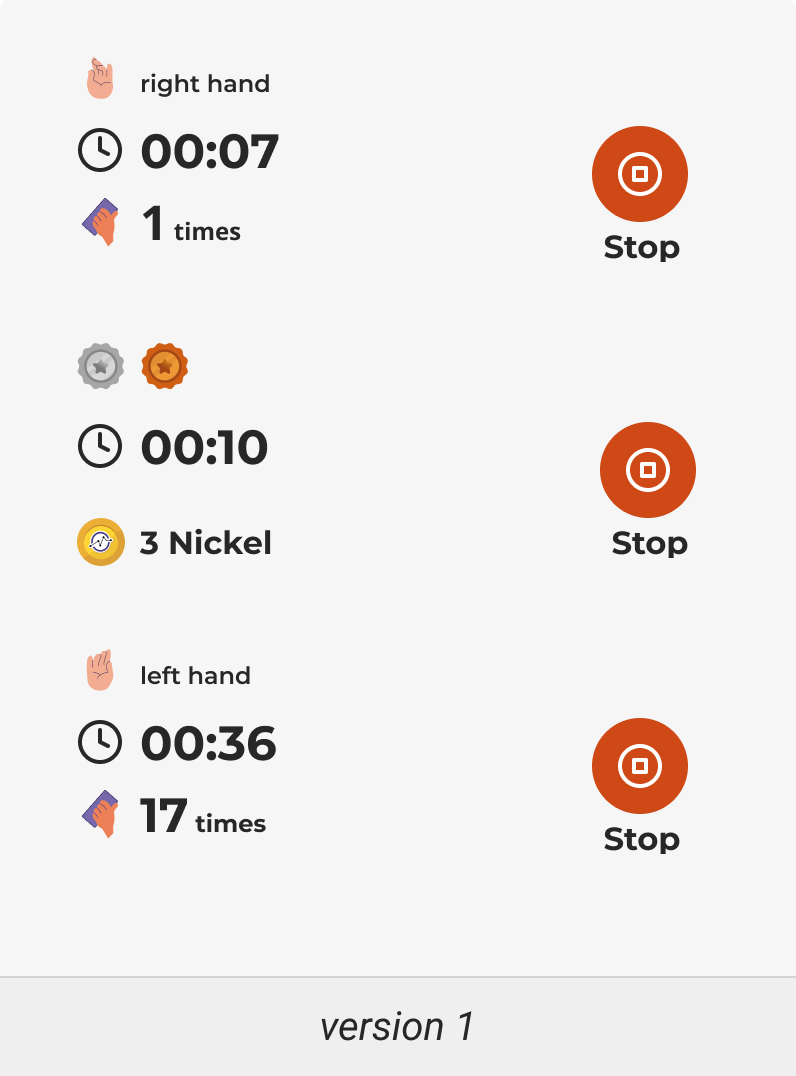
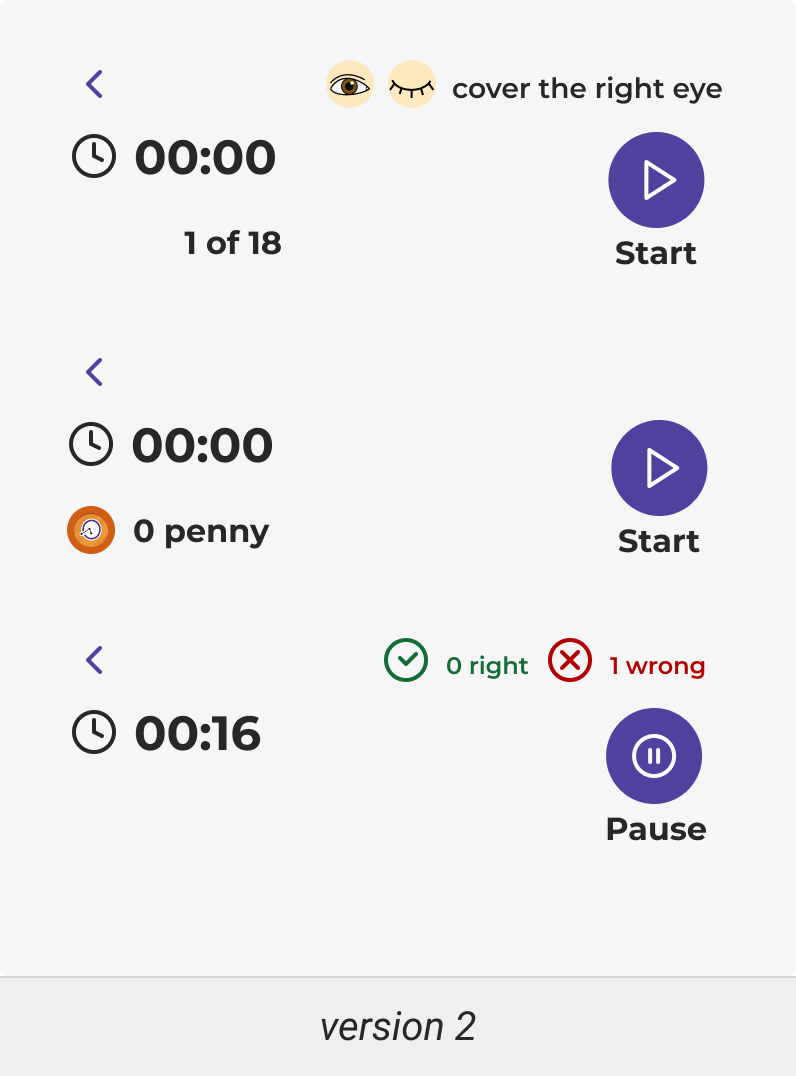
In the first version, I identified a usability issue related to user control and freedom.
Users were required to tap “Start” before they could exit or return to the onboarding of an activity. This created unnecessary friction because the interface was forcing users into a linear path.
After reviewing the flow and following the user behavior on UXCAM, I redesigned the interaction to give users more flexibility. They could return to the onboarding or decide when they were ready to start the activity.
This iteration improved usability by giving users more control, reducing friction, and making the flow feel less restrictive.
In retrospect
At BeCare, wearing multiple hats taught me that product impact cannot rely on individual effort alone. A lean team can move fast, but sustainable growth requires shared ownership, clear processes, and alignment around metrics that connect user value to business outcomes.